
Blog
Brain, the Motherboard

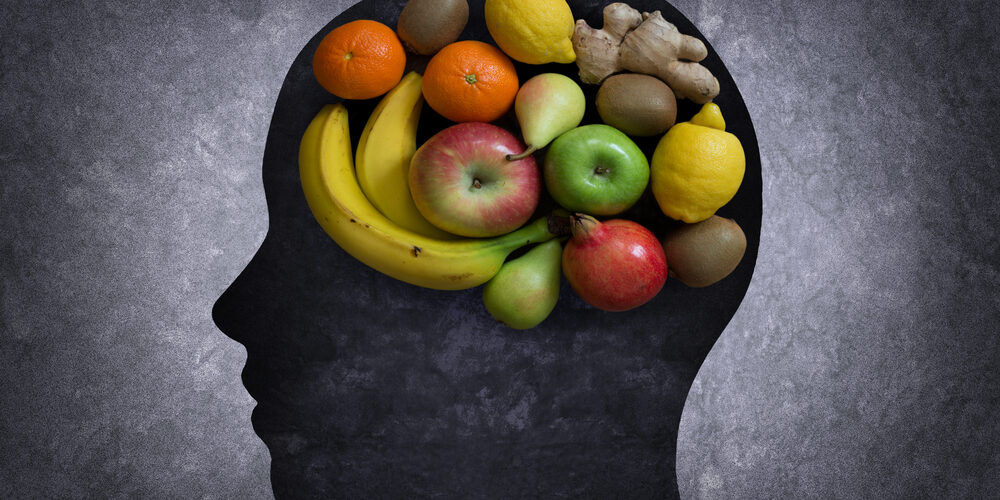
Typically, we don’t think of our brain and equate that with our overall health. With the concept of ‘the brain’ we usually just think of how we feel intellectually and emotionally. Most people (myself included) hope the brain will stay intact and sharp through old age. The reality is we can do more than hope. First, we must realize that the brain is everything! It is the “motherboard” of the body, so to speak, and everything else is software.
The brain is not a separate organ; health is not from the neck down.
Quality of life is dependent on proper brain function. Your ability to enjoy life depends on your brain health. Let that statement soak in for a minute.
As a general rule, we associate mood with brain. Antidepressants are now the second most prescribed medication in America and they are treating a symptom of poor brain health, not curing it. ADD, ADHD, anxiety, learning disabilities, brain fog, moodiness, sleep disorders are ALL an issue of brain health.
Major disorders like Alzheimer’s and Parkinson’s stem from brain health issues that have been simmering for decades. The current healthcare model for early detection of neurodegenerative decline or neuroinflammation is on a minuscule scale. Treatment after diagnosis offers mild improvement at best. When we wait for the “symptom” of getting lost on our way home, not recognizing family, or experiencing tremors, we have missed the window of effective treatments.
When we talk about the damage that poor diet and chronic stress can cause, we need to look to the brain for their most devastating effects. The brain is the most fragile and susceptible organ when it comes to unhealthy lifestyles. Ultimately, it comes down to managing those two things: diet and stress.
So much of the function of the brain is nutrient dependent. That is to say, getting good nutrition is vital to the efficiency of the brain. The gut is said to be the “second brain” and if you have gastrointestinal issues going on, you have brain issues going on. 90% of neurotransmitters are produced in the gut, which invites the question: is depression a brain issue or a gut issue? Biochemical pathways are greatly influenced by the balance of good and bad bacteria in the gut. (One of the early signs of Parkinson’s is chronic constipation and loss of smell.)
Sugar metabolism is also vital to brain health. One third of the entire glucose load is used by this little 2-pound organ in your head! Forgetting to eat meals or long periods without fuel and a steady supply of glucose may cause brain function to suffer. The inverse is also true — too much glucose or repeated fluctuations may cause insulin receptor insensitivity, meaning brain cells can’t get proper fuel.
Essential fatty acids are another key fueling component for brain health and function. The title of “essential” is given when the body does not produce or lacks the enzyme to synthesize a substance; therefore, it must be consumed in the diet. A few examples of essential fatty acids are EPA and DHA, coming from foods like fish, nuts, and flaxseeds. These form a phospholipid structure for neuron membranes and are needed for membrane transport and proper neuronal signaling. In simple terms, if you don’t have enough essential fatty acids, your brain cells can’t work with each other or the rest of the body effectively.
This brings us to chronic stress. This kind of stress can be anything that challenges the body, mind or spirit. To the brain, there is no difference. Something that ignites an inflammatory response can be a car wreck, losing a loved one, or lack of sleep … these can disrupt hormone and neurochemical reactions that impact normal brain function. Chronic stress accelerates brain degeneration and can cause atrophy of the brain.
All of the above neurodegenerative factors can be managed by better nutritional choices, but also by exercise. Research shows that consistent, purposeful movement reduces inflammatory response and damage throughout the body. Caveat: you cannot exercise your way out of a bad diet! Each part plays its role, but exercise unlocks positive brain and body health.
These are definitely only the mere highlights. The brain is a fantastic organ to study, with so many components. Brain issues can include: circulation problems, methylation, the brain-gut axis, neuroautoimmunity, environmental triggers, and gluten sensitivity.
When you are considering your health, don’t forget about the brain. Take some time to really look at yourself honestly and evaluate your brain status. Growing older does not mean it’s OK to be forgetful or be too tired to do certain things anymore. Changes in coordination, timing, reflexes, job performance, enjoyment in life and mood, are not signs of old age, but a signal from the brain for help.
Remember my motto:
If you can, you must, if you can’t, you must more. If numbers are getting difficult to remember or to count, then you must use those pathways more and instead of finding a way around those issues. Practice a little every day to intentionally improve the neuronal synaptic quality. If your balance isn’t what it used to be, you must work on it. Brain pathways are like muscles – they will atrophy if we don’t use them. Use it, don’t lose it.


Hi, I’m Dr. Heidi. A lifelong passion for the mind-body connection inspired my life’s work: helping people unlock their unique ability to achieve optimal wellness and vitality.
Through years of extensive training and experience in different medicine modals, I’ve gained powerful perspectives on the body and how it works. This multidisciplinary perspective is what makes me different. I am uniquely qualified and excited to help people step into a journey of helping their bodies heal and their lives flourish — naturally.
Ultimately, I believe in the strength of the human spirit and the wonders of the human body. Our amazing bodies know what they need, and they tell us in many ways. The challenge is not understanding what they’re saying. When we learn to listen to this beautiful language, we take charge of our own wellness. Let me show you.
FREE ONLINE
VIDEO COURSE
5 DAY REBOOT
Dig in with Dr. Heidi on 5 key areas of your health. Self-assess, take action, and feel better.
